




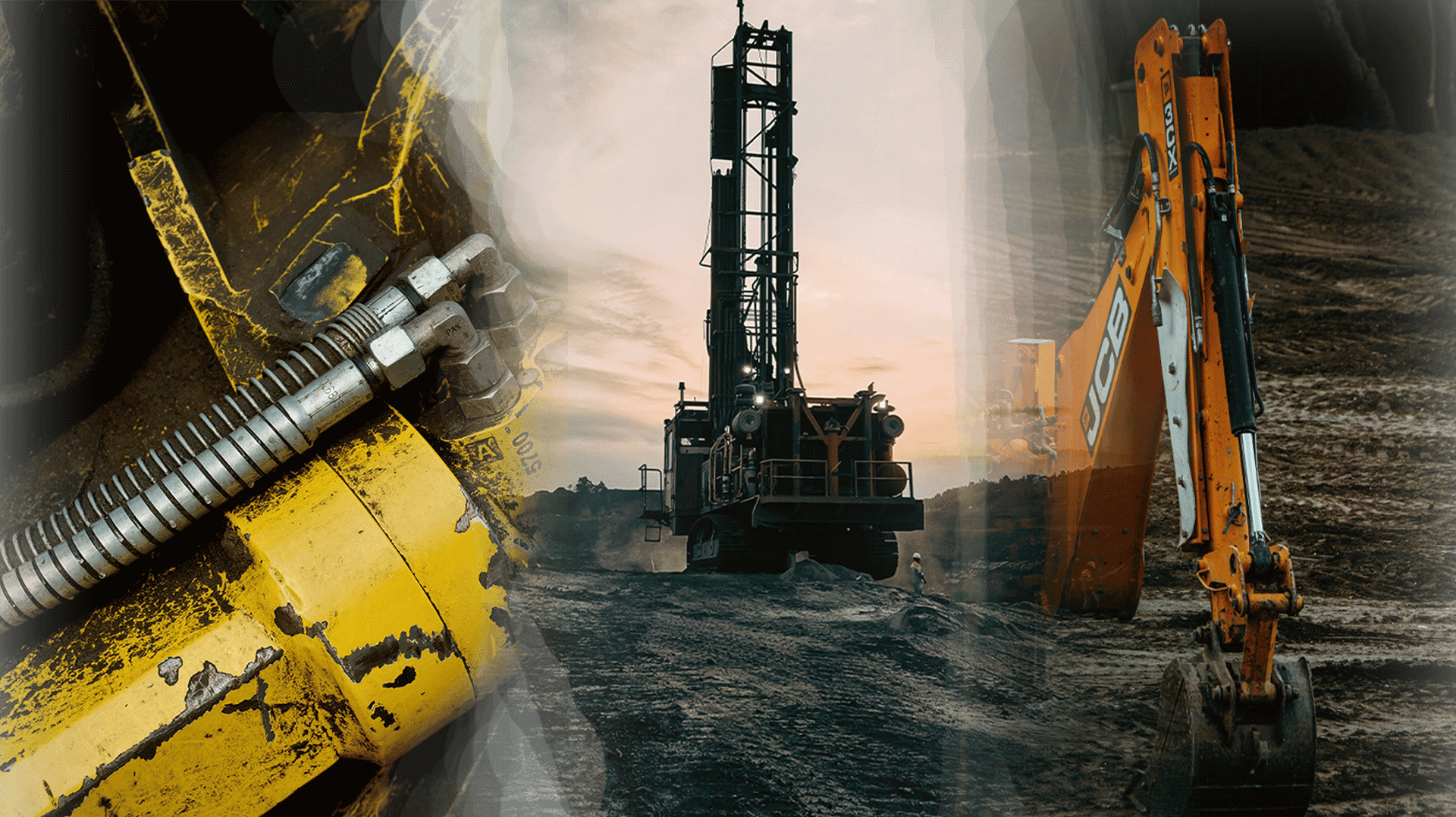
FLUID POWER
Steinwerk fluid power components are built for demanding service environments where pressure integrity, flow continuity, and dependable hydraulic function are critical.
SYSTEM INTEGRITY THROUGH FLUID POWER
Fluid power systems depend on the controlled transfer of hydraulic force under pressure, vibration, and continuous-duty load. Across hoses, fittings, couplers, and pumps, correct component selection is critical to maintaining pressure retention, flow stability, sealing integrity, and dependable in-service function.
SKIP TO
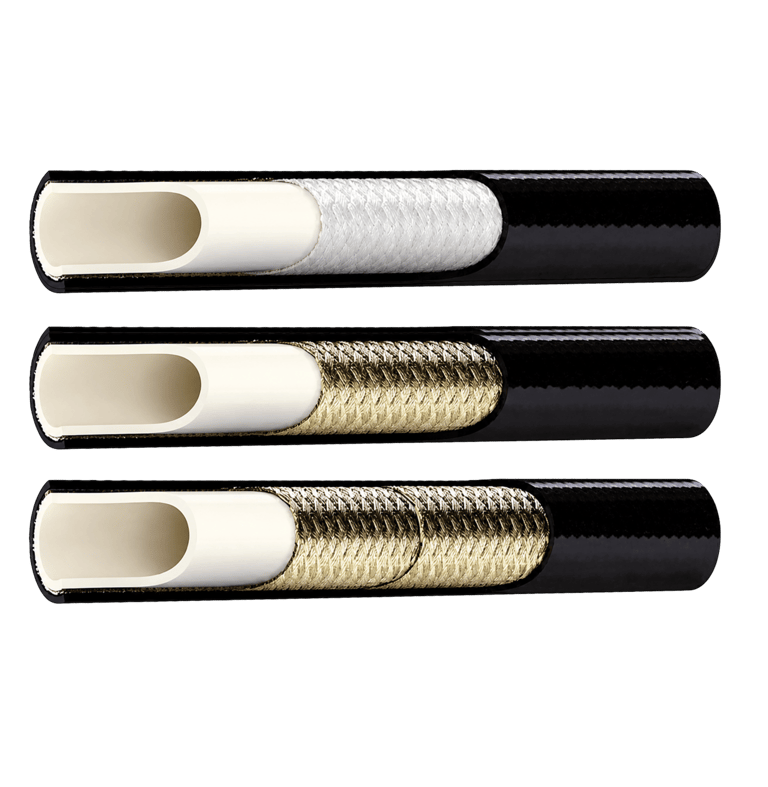
Hydraulic hoses transmit pressurized fluid through systems where pressure rating, flexibility, bend behavior, and reinforcement integrity must remain stable under dynamic load. In mobile and industrial hydraulic applications, hose selection is driven by operating pressure, impulse severity, routing geometry, temperature exposure, fluid compatibility, and the external stresses acting on the assembly.
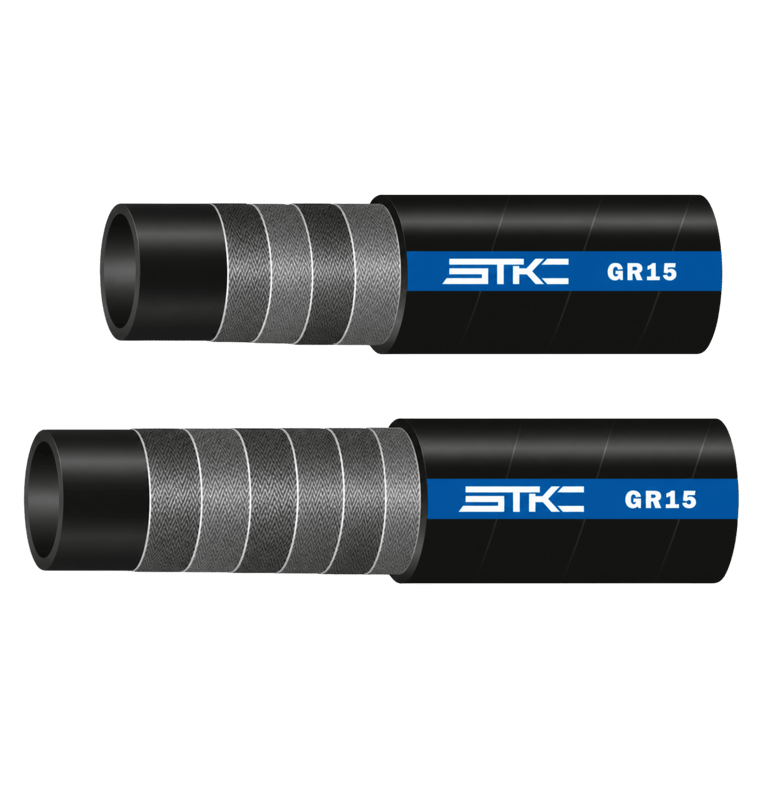
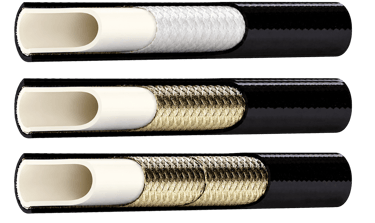

Applied in higher-pressure hydraulic systems where impulse resistance, structural strength, and reliable performance under severe load cycles are critical.
Used in medium-pressure hydraulic circuits where flexibility, bend performance, and reinforcement stability are required across mobile and industrial equipment applications.
Used in lower-pressure hydraulic, return-line, and fluid transfer applications where flexibility, controlled construction, and stable service behavior are important.
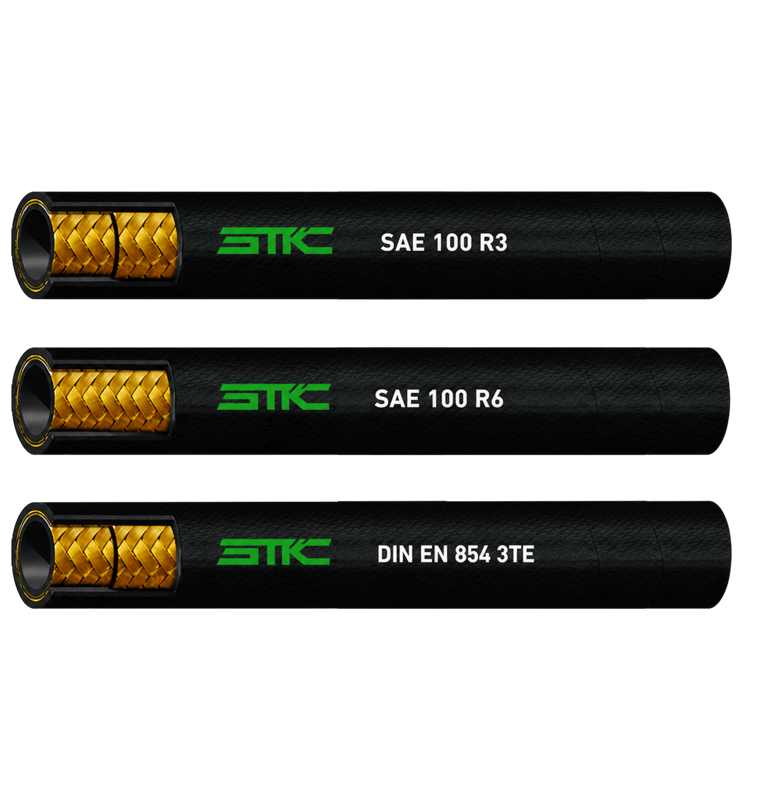
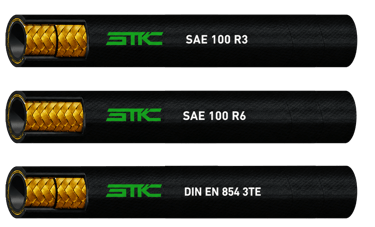
Suited to applications requiring lower weight, specific bend characteristics, or category-specific hydraulic performance beyond conventional rubber hose constructions.
Used in specialized fluid-handling applications where chemical resistance, temperature capability, and compatibility with aggressive media are critical.
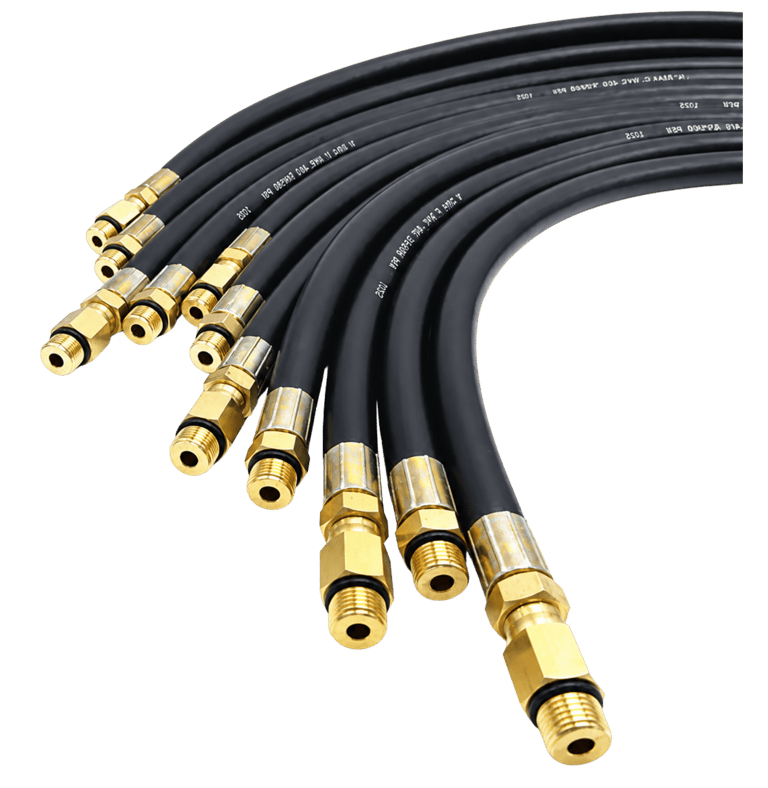
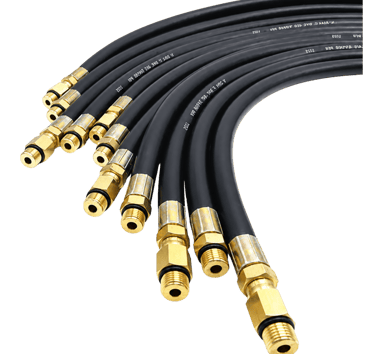
Applied where standard hose constructions are not sufficient, covering category-specific hydraulic requirements with defined operating or installation demands.
TIER
Standard
Advanced
High Abrasion
PERFORMANCE TIERS
DESCRIPTION
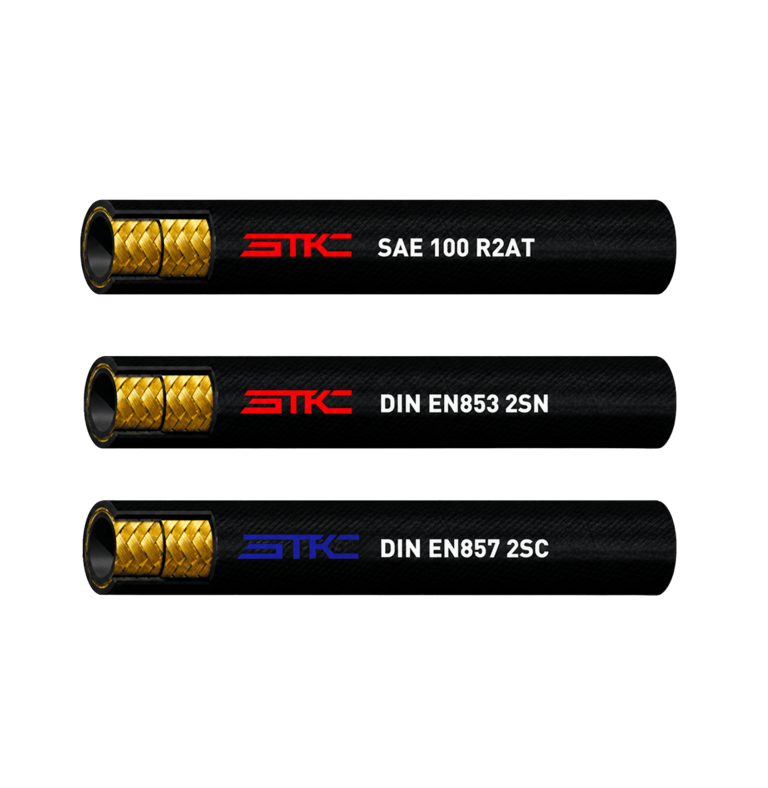
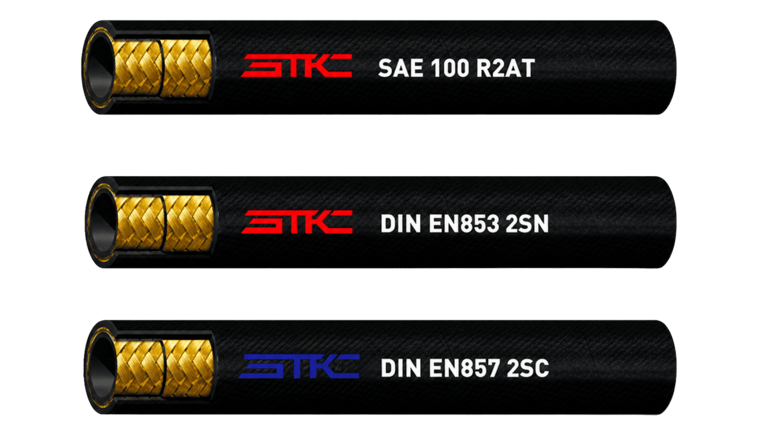
Reliable general-purpose cover for standard hydraulic applications with moderate external wear exposure.
Upgraded abrasion-resistant cover for mobile equipment, workshops, construction machinery, and more demanding hose routing conditions.
Premium severe-duty cover for mining, quarrying, heavy equipment, and high-contact environments where maximum cover protection is required.
COVER PERFORMANCE
600 Cycles
3.000 Cycles
10.000 Cycles

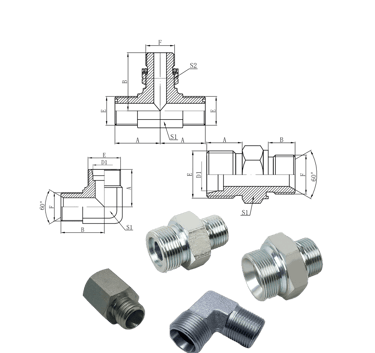
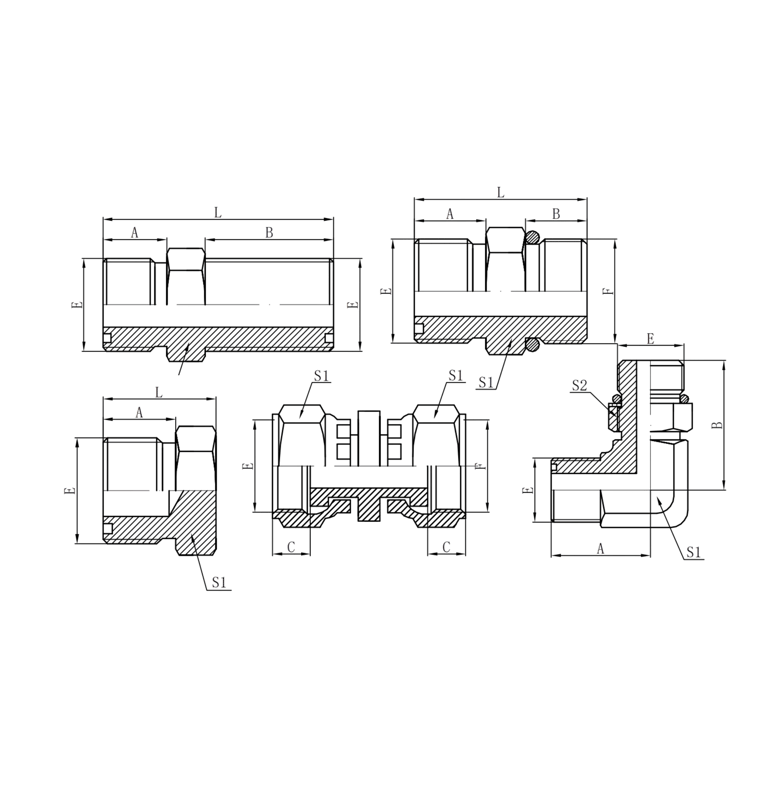
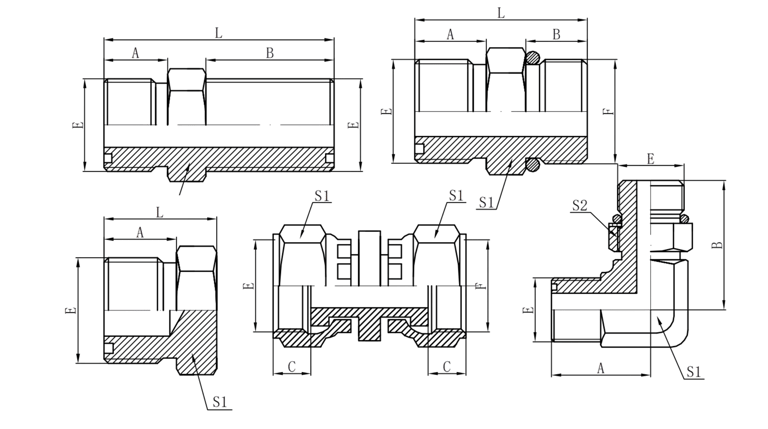
Applied on imported equipment, mixed fleets, and workshop replacements using BSPP, BSPT, or bonded-seal connections, where the correct sealing method is critical to leak-free service.
Used on metric-OEM hydraulic systems where 24° cone, flat-seal, multiseal, or 60° metric interfaces must match the original machine connection geometry at pumps, valves, cylinders, and hose assemblies.
Used in mobile-equipment circuits and service repairs where a 37° flare connection provides a practical, widely recognized standard for hose replacements and hydraulic assemblies.
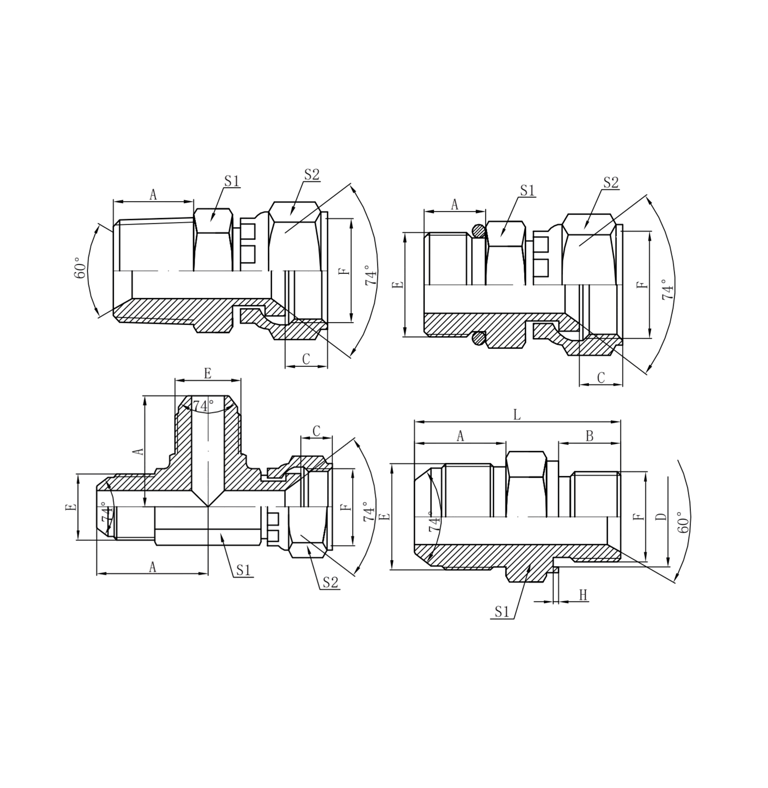
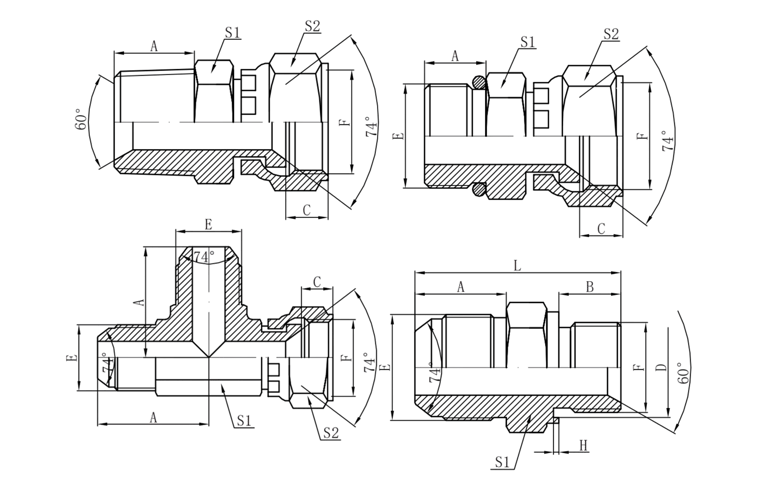
Suited to high-vibration, leak-sensitive hydraulic circuits such as booms, articulation points, and heavy-duty mobile equipment, where flat-face O-ring sealing improves leak control.
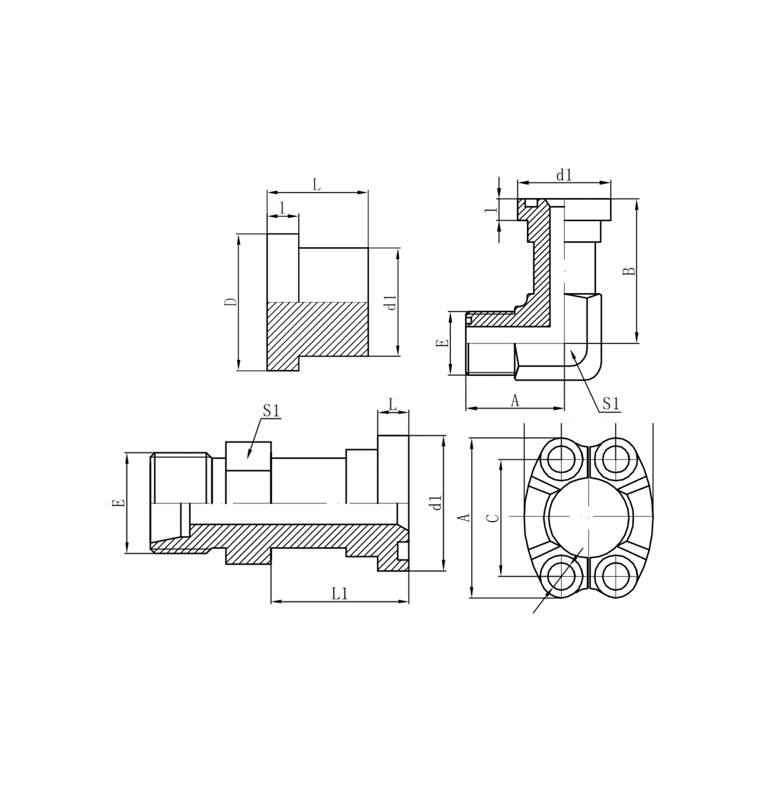
Used at pumps, valves, manifolds, and larger-flow hydraulic interfaces where flange joints and port connections must maintain sealing integrity under pressure and vibration.
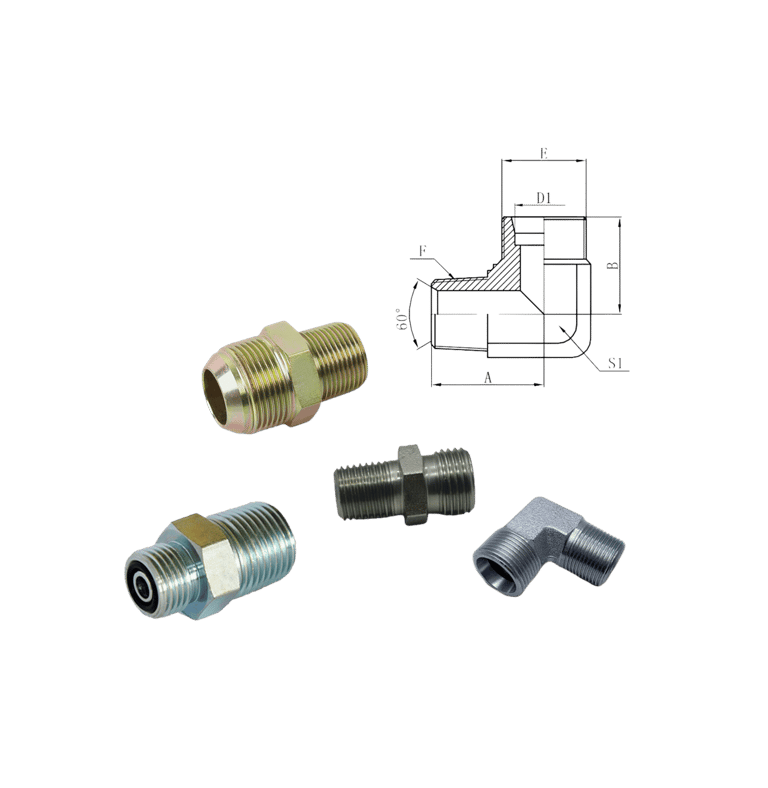
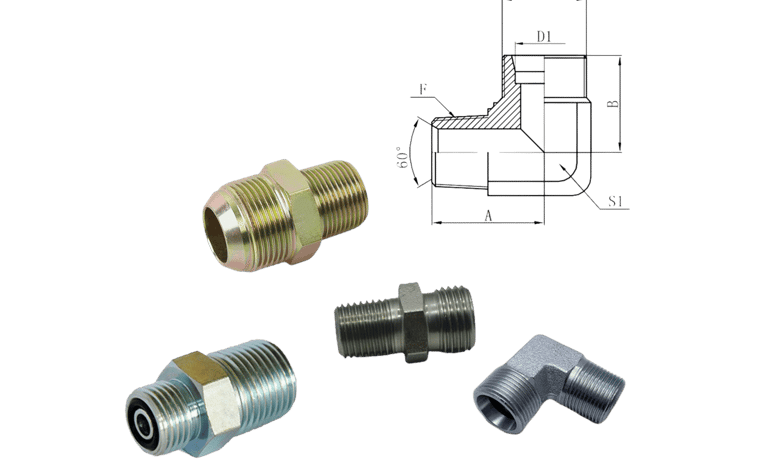
Applied in legacy hydraulic circuits and mixed-standard repair work where tapered pipe threads remain in service and compatibility with older ports is required.
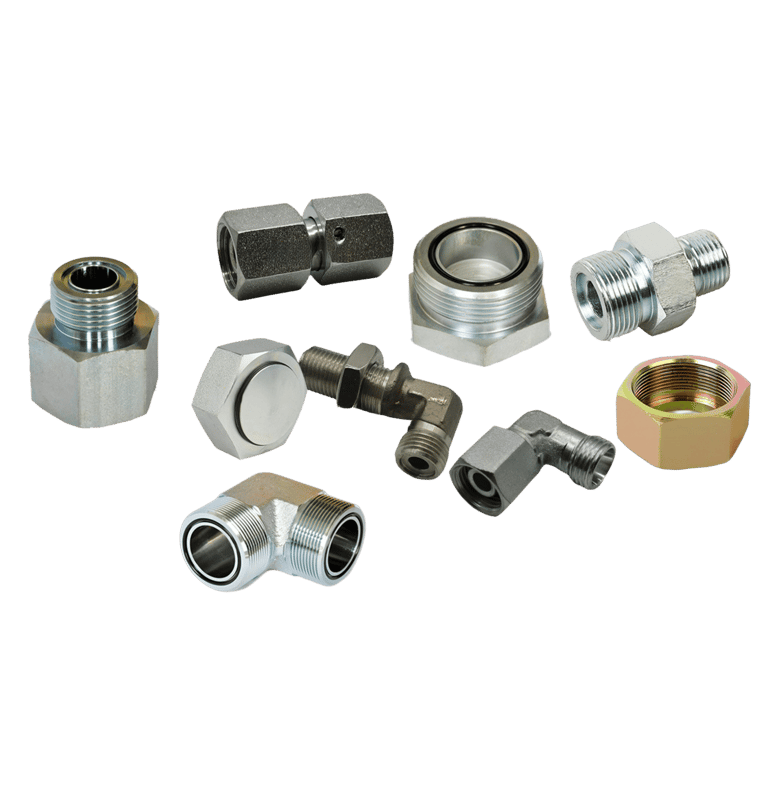
Fittings and adapters form the hydraulic pressure boundary between hoses, ports, valves, pumps, and rigid-line interfaces. Their function depends on dimensional compatibility, sealing geometry, thread or seat integrity, and the ability to maintain leak-free performance under pressure, vibration, and repeated service exposure.
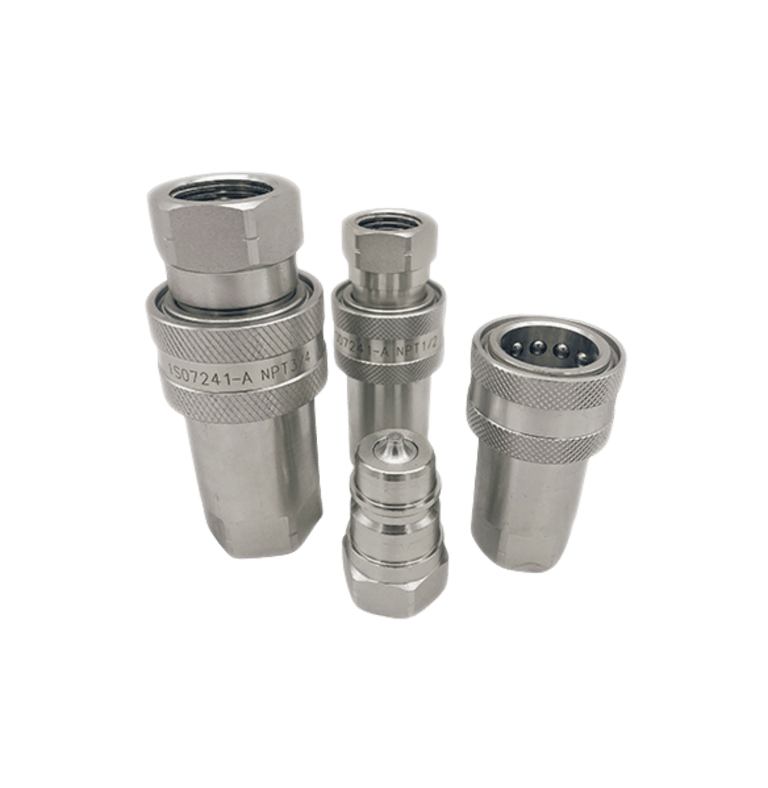
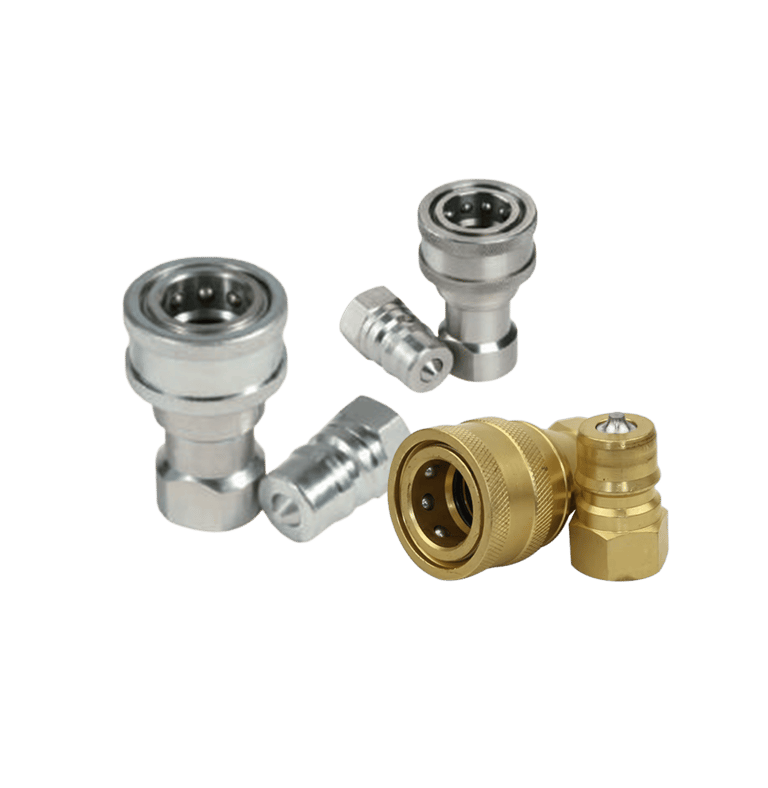
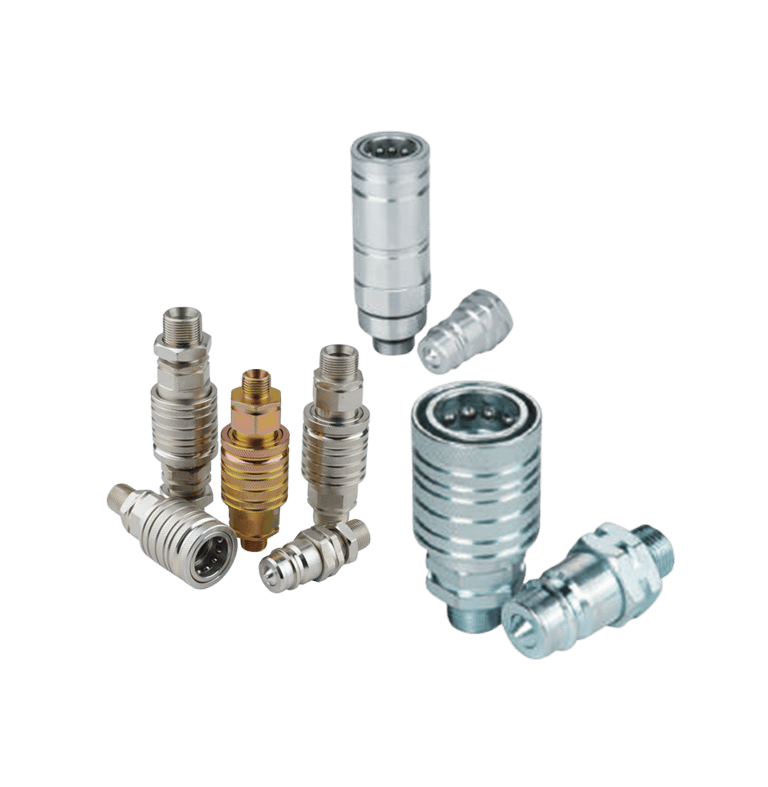
Designed for severe-duty hydraulic service where residual pressure, high working pressure, or heavy mechanical load require a more secure connection method.
Designed for mobile hydraulics where clean connection, low fluid loss, and reduced contamination are critical during repeated connection and disconnection.
General-purpose hydraulic couplers for equipment and service applications requiring broad interchangeability and reliable connection performance.
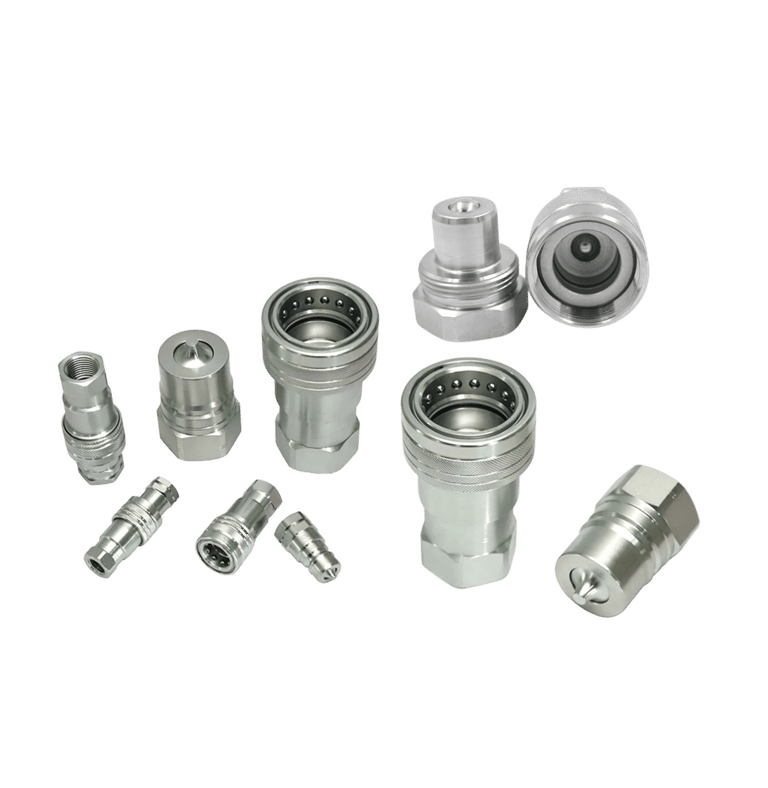
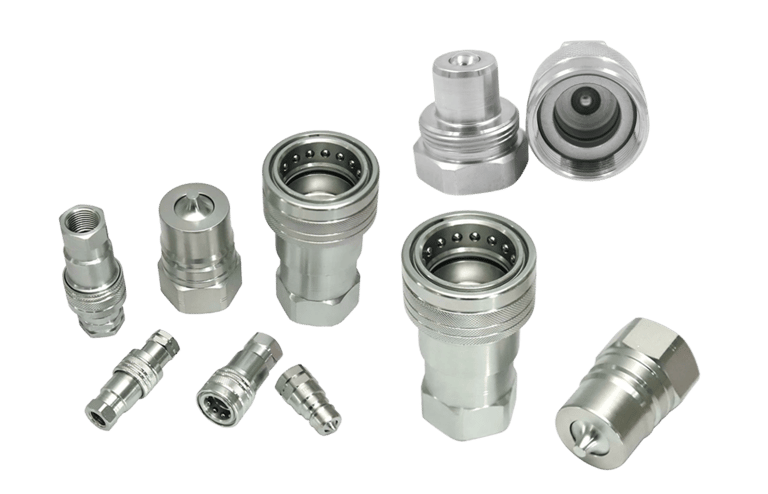
General-purpose hydraulic couplers used where ISO interchange and dependable connection performance are required across mixed equipment and maintenance environments.
Designed for applications where hoses must be connected and disconnected quickly from fixed mounting points with secure retention in service.
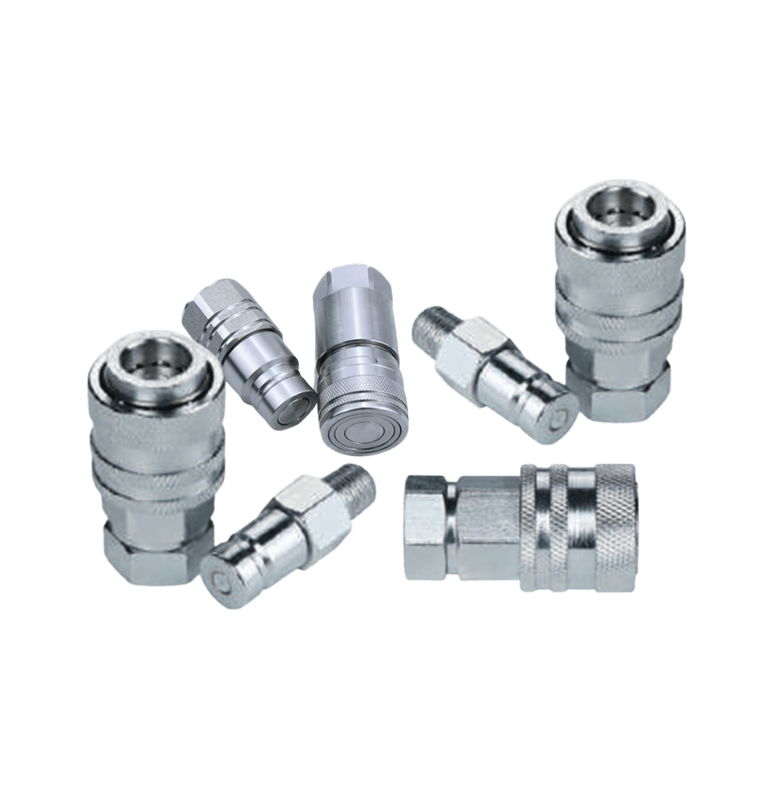
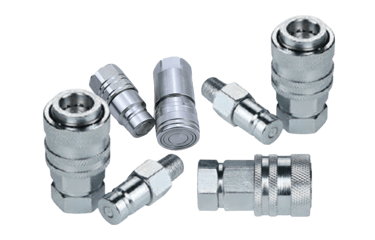
Quick couplers are used where hydraulic lines must be connected and disconnected repeatedly without compromising sealing performance, contamination control, or system continuity. In demanding hydraulic service, they must provide secure engagement, controlled disconnection behavior, and reliable operation under pressure, cycling, and application-specific connection requirements.
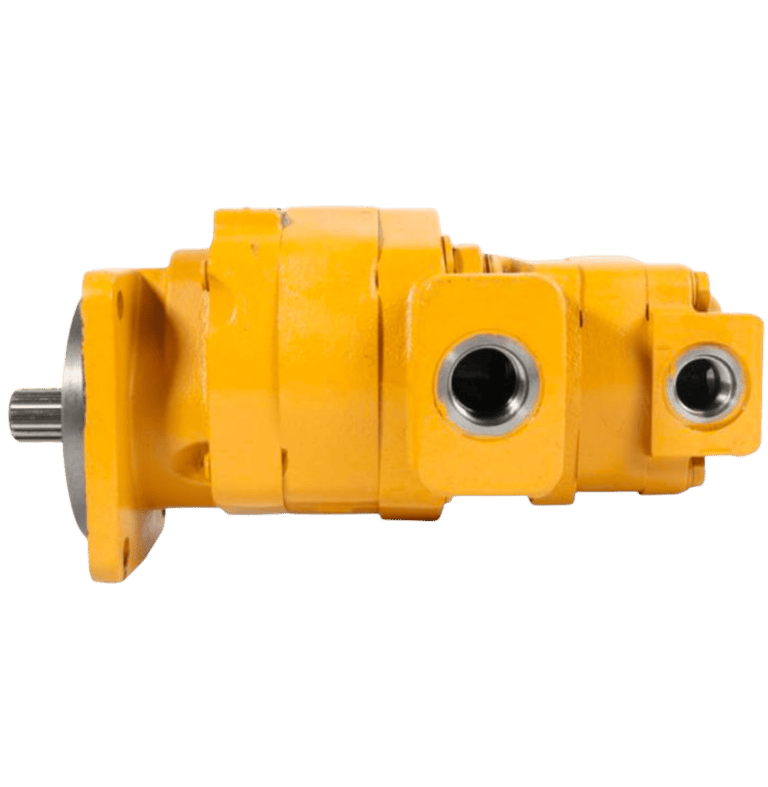

Applied where two or more pump sections are combined to supply separate hydraulic functions from one drive input across more complex mobile hydraulic systems.
Used in fixed-displacement hydraulic circuits where a single pump section provides reliable flow for steering, auxiliary, implement, and general mobile-equipment functions.
Designed for heavier-duty hydraulic applications where higher pressure capability, structural rigidity, and reliable service under demanding load conditions are required.


Used in lighter mobile and auxiliary hydraulic applications where compact construction, lower weight, and dependable fixed-displacement flow are required.
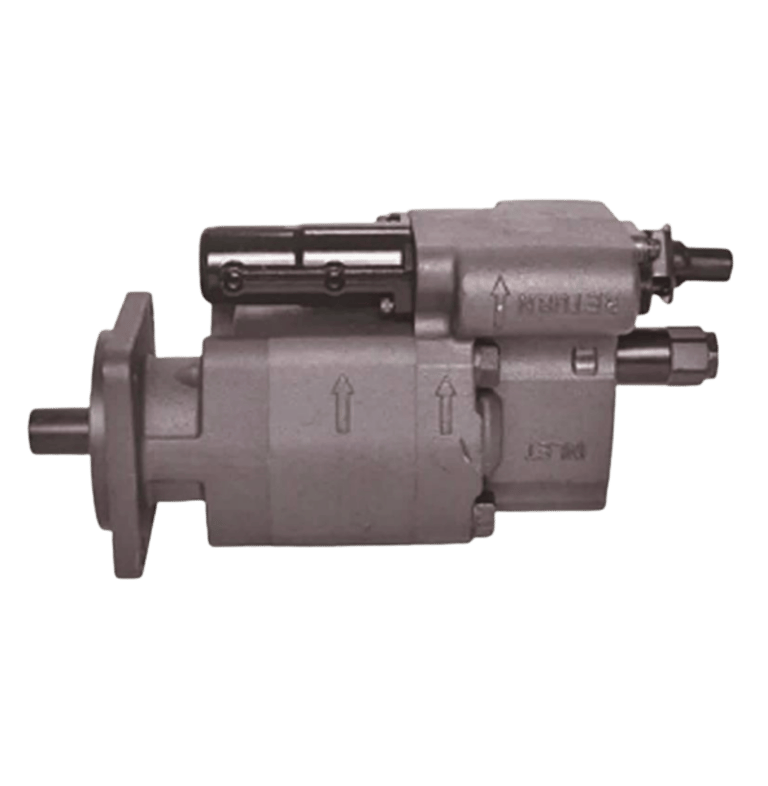
Designed for dump truck and trailer hydraulic systems where dependable flow is required for tipping functions and related vehicle hydraulic operations.
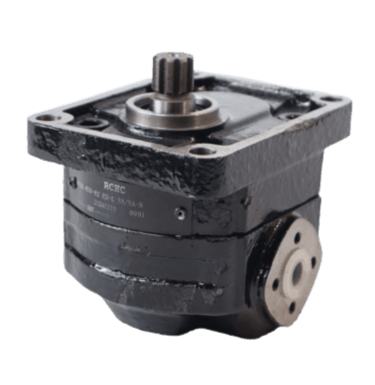
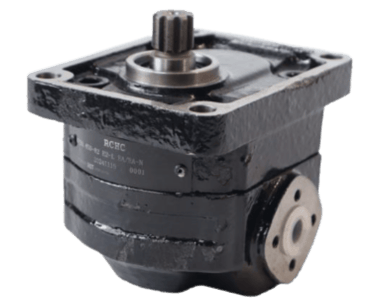
Applied in smaller hydraulic systems and support functions such as sweepers, lifting platforms, radiator circuits, drilling machines, and other compact equipment applications.
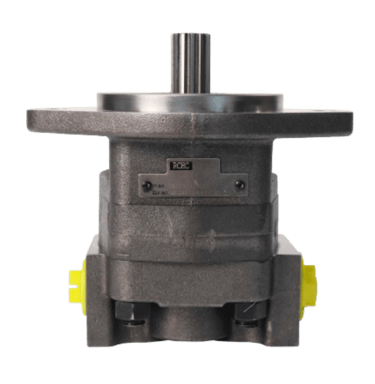
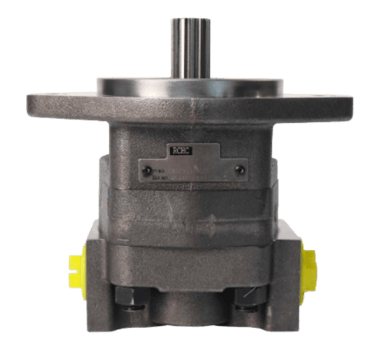
Gear pumps convert mechanical input into hydraulic flow and pressure, making them fundamental to fluid-power systems that depend on stable output and predictable operating behavior. Their suitability is determined by flow requirement, pressure range, speed, fluid condition, and the service profile of the hydraulic circuit in which they operate.
Fluid power systems operate through the controlled generation, transfer, and regulation of hydraulic energy across pumps, hoses, fittings, couplers, and connected hydraulic interfaces. Within these systems, performance is governed by pressure containment, volumetric stability, sealing integrity, flow continuity, and the mechanical security of every connection point under load.
In demanding equipment applications, hydraulic reliability is not defined by one component alone. It depends on how well the full circuit maintains pressure, manages flow, resists leakage, and preserves connection stability under vibration, temperature variation, pressure cycling, contamination exposure, and continuous-duty service. Deficiencies in any part of that system can affect actuator response, steering accuracy, lifting performance, attachment control, and overall machine dependability.
For that reason, fluid power components must be selected with close attention to working pressure, flow requirement, connection standard, sealing method, dimensional compatibility, material suitability, and duty profile. Correct matching at these points is essential to maintaining hydraulic efficiency, reducing service-related failures, and supporting stable in-service performance.
At Steinwerk, fluid power components are developed around that system view. Our approach is not limited to supplying individual parts, but to focusing on the technical factors that determine hydraulic function in service: interface correctness, pressure integrity, sealing reliability, and category-appropriate verification. This is how we build a fluid power range intended for dependable performance in harsh-duty operating environments.
Mining · Construction · Agriculture · Oil & Gas · Manufacturing · Marine · Transport · Energy
Send us your requirements and we will review the right product category for your equipment, hydraulic function, and service conditions.
Contact
Info@steinwerkindustrial.com
86-90 Paul Street, London, England, EC2A 4NE
Heavy Equipment Components & Systems
Steinwerk Industrial (STK) is a UK company operating under the registered entity STEINWERK INDUSTRIAL LTD. Company number: 17053303