




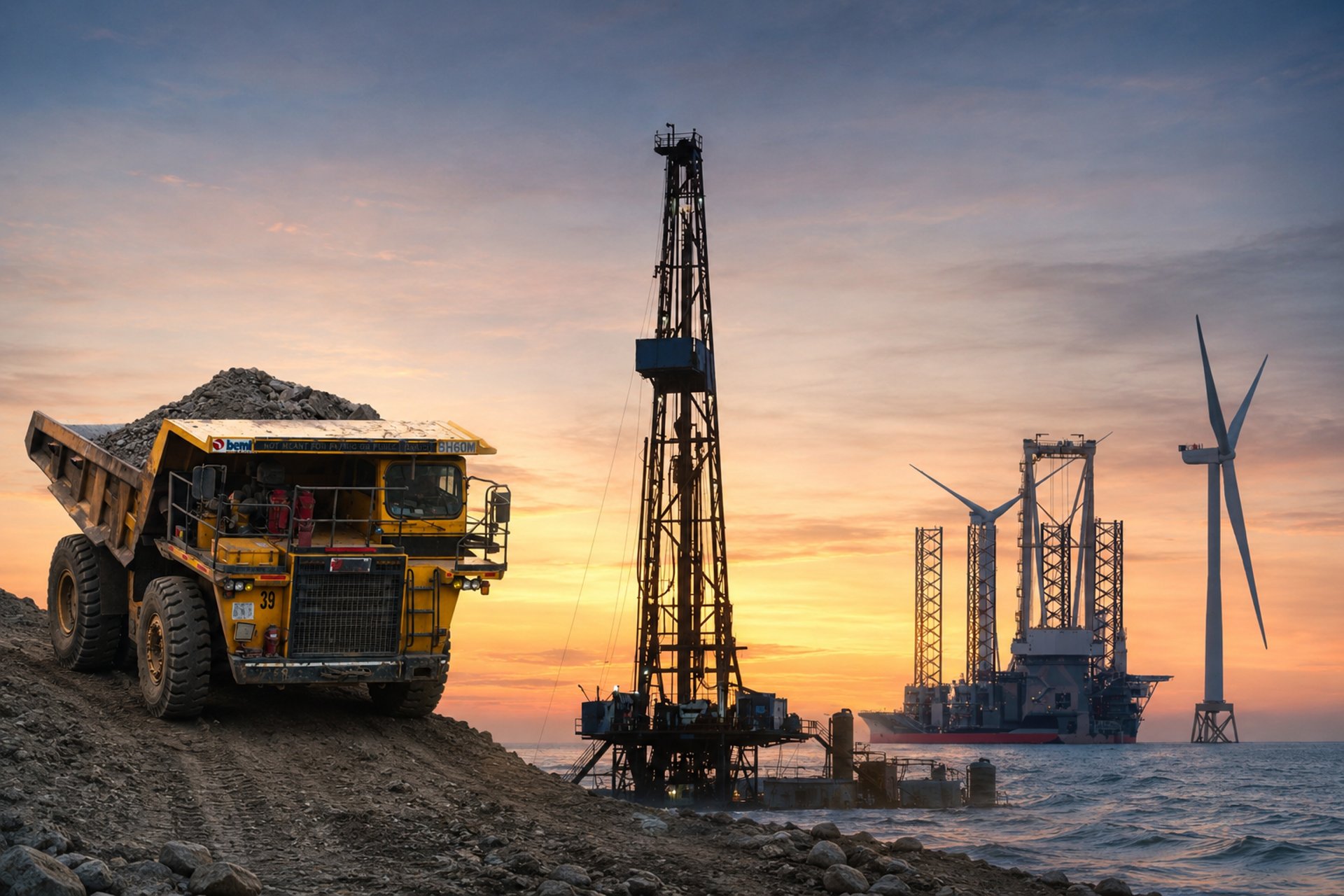
MOTION COMPONENTS
Our motion components range is built for demanding service conditions where load transfer, alignment control, friction management, and dependable operation of rotating assemblies are essential.
SYSTEM CONTINUITY THROUGH MOTION COMPONENTS
Motion components operate at the interface of load, rotation, alignment, sealing, and mechanical continuity across heavy equipment and industrial systems. In demanding service conditions, correct component selection is critical to maintaining shaft support, controlled power transmission, sealing integrity, and the operating stability of rotating assemblies exposed to vibration, contamination, misalignment, and sustained mechanical load.
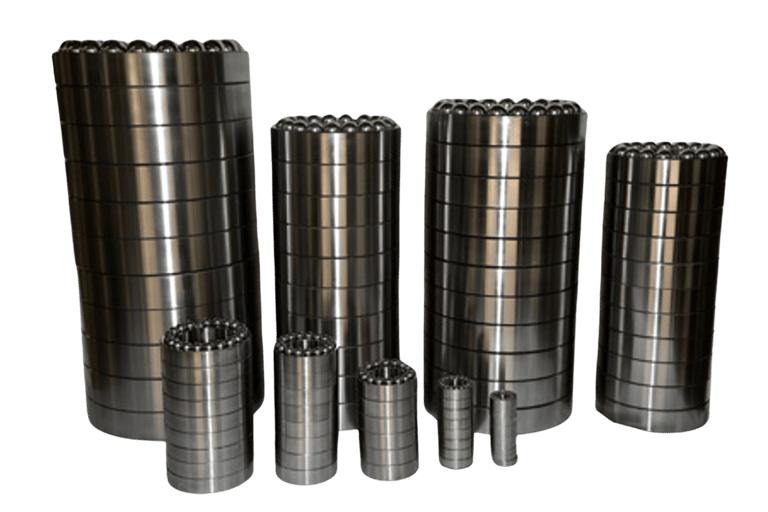
Bearings support rotating assemblies at the points where load, speed, alignment, lubrication, and contamination control directly influence operating life. In heavy equipment and industrial applications, bearing selection depends on load direction and magnitude, rotational speed, mounting arrangement, internal clearance, sealing concept, lubrication condition, and the level of contamination or shock present in service.


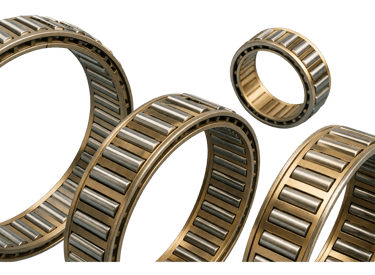

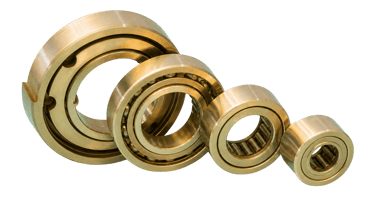
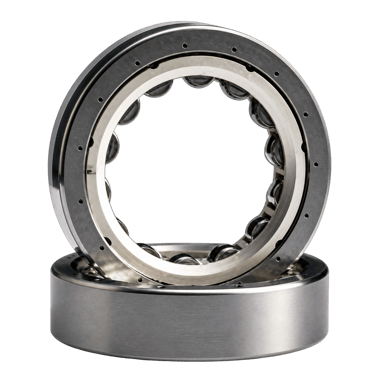
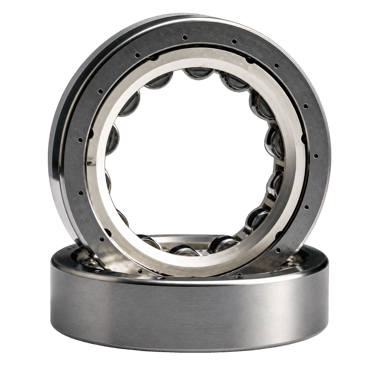
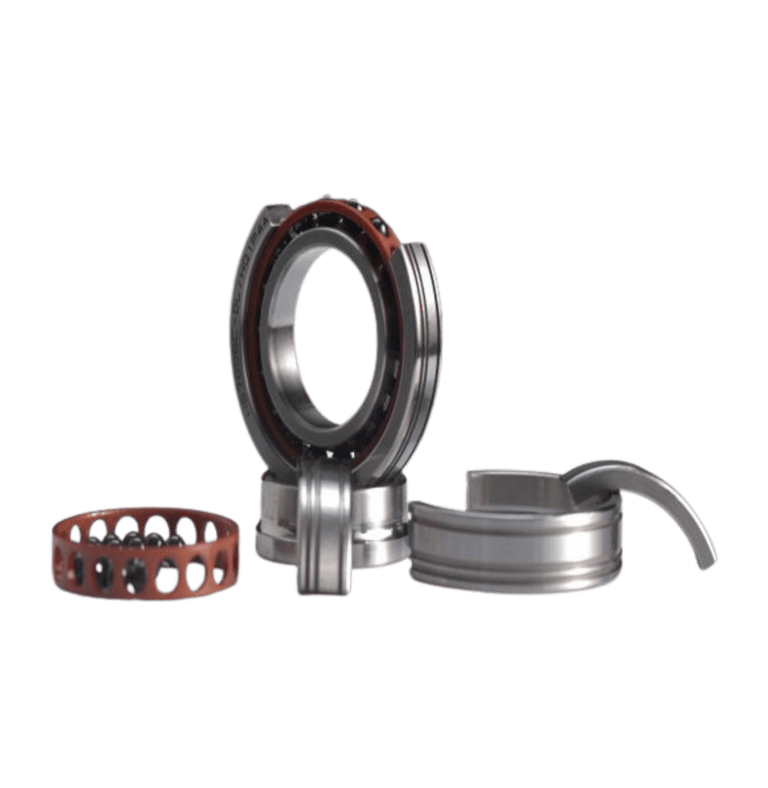
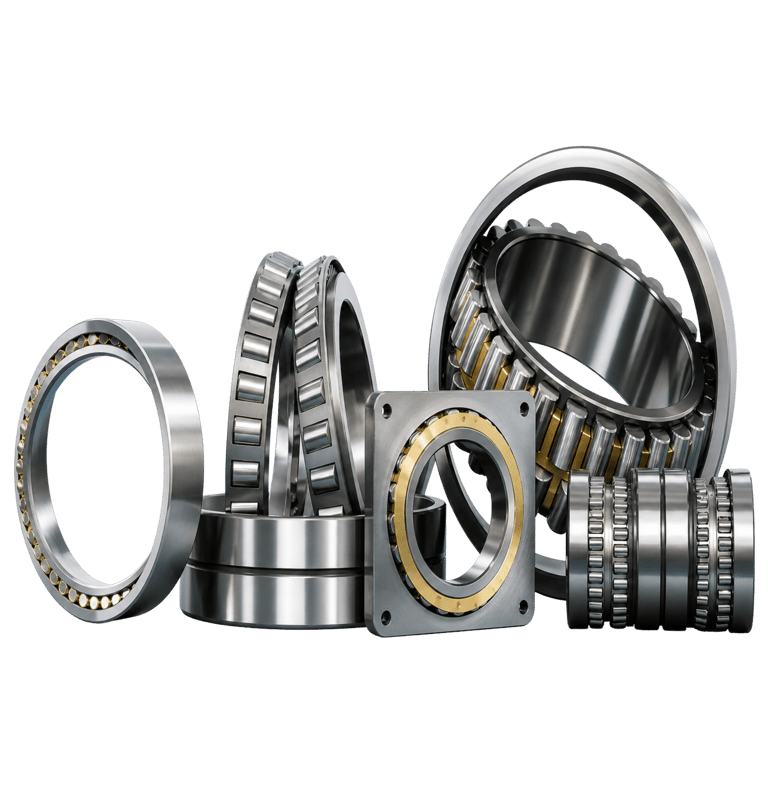
Designed for heavy-duty rotating equipment where high radial load, shock loading, and shaft misalignment must be accommodated under demanding service conditions.
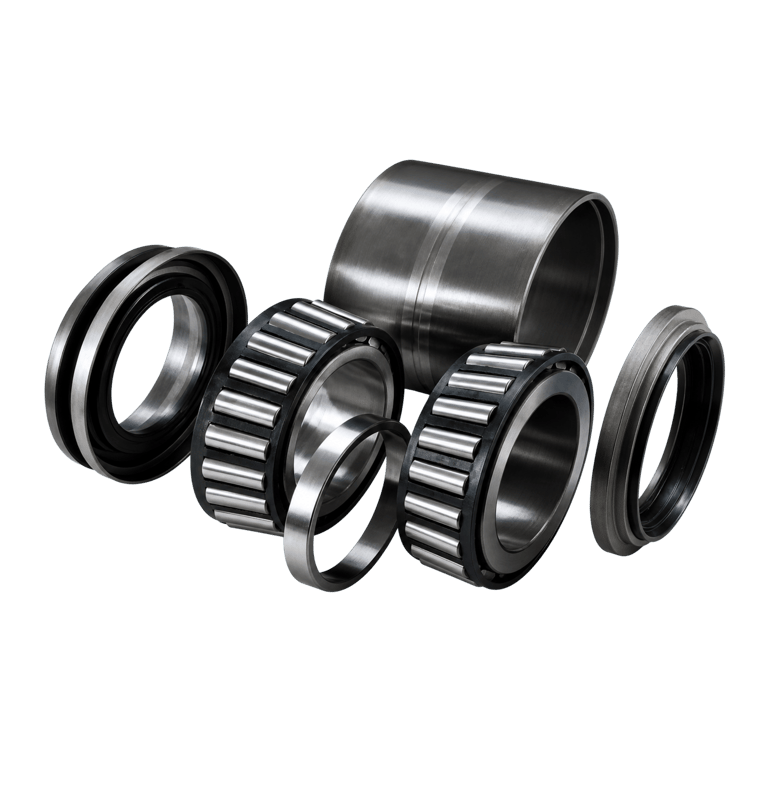
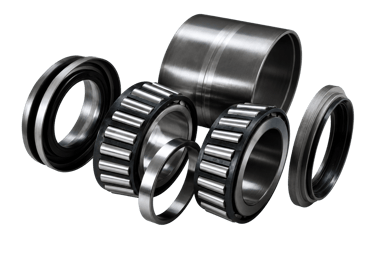
Used in applications where combined radial and axial loads must be supported with stable running accuracy in hubs, gear drives, wheel ends, and other heavily loaded assemblies.
Applied where high radial load capacity, stiffness, and reliable support of shafts and gear-driven assemblies are required within a defined mounting envelope.
Used across general rotating equipment where compact design, low friction, and dependable support of moderate radial and axial loads are required.
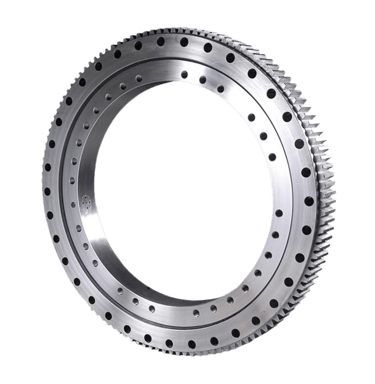
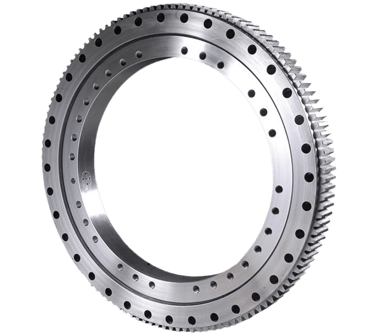
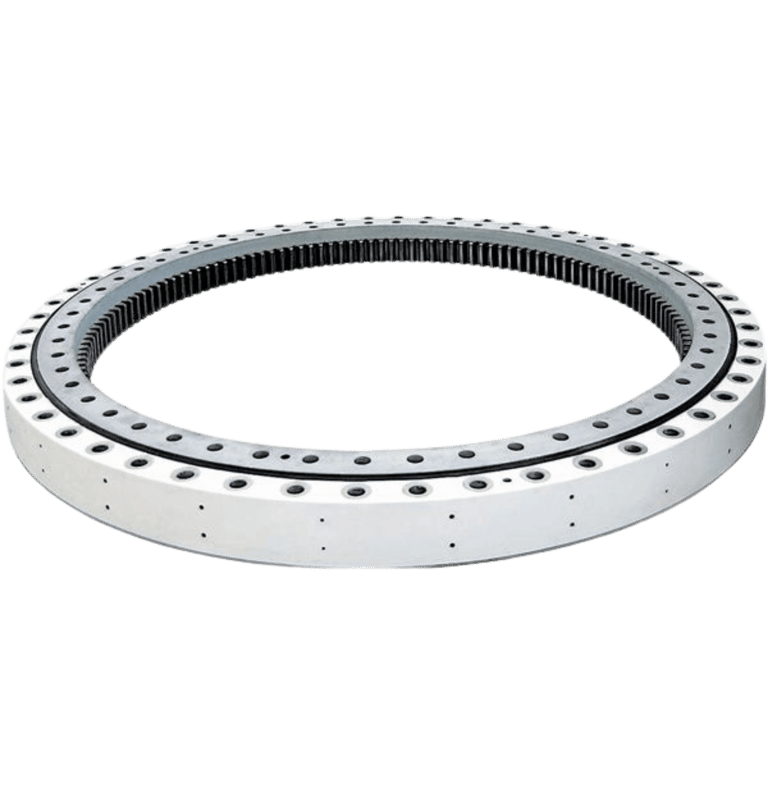
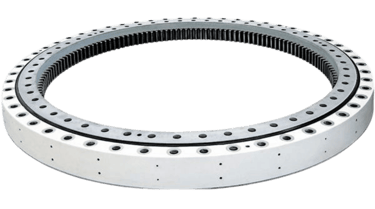
Designed for large-diameter rotating structures where axial load, radial load, and tilting moment must be supported in cranes, excavators, platforms, and other turning assemblies.
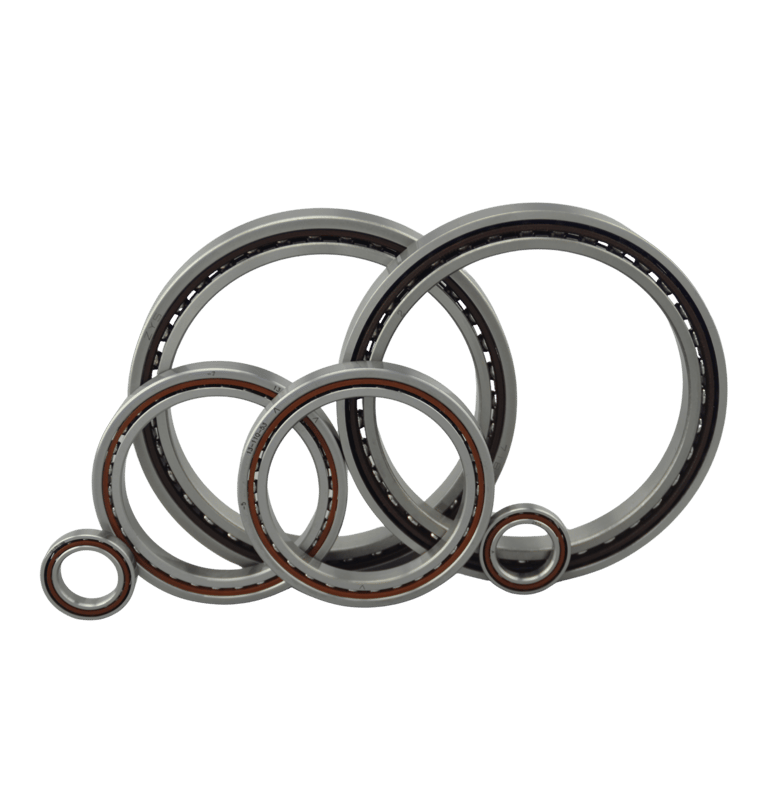
Used where combined radial and axial loads, higher running accuracy, and stable rotational performance are required in pumps, gearboxes, and precision rotating systems.
Applied in equipment where controlled tolerances, running accuracy, and stable performance at higher speed are critical to machine function and service life.
Designed for wind-energy systems where large rotating assemblies must operate under combined load, variable speed, and long-term environmental exposure.
Used in drilling and petroleum equipment where heavy load, impact, contamination exposure, and demanding operating conditions place high requirements on bearing durability.
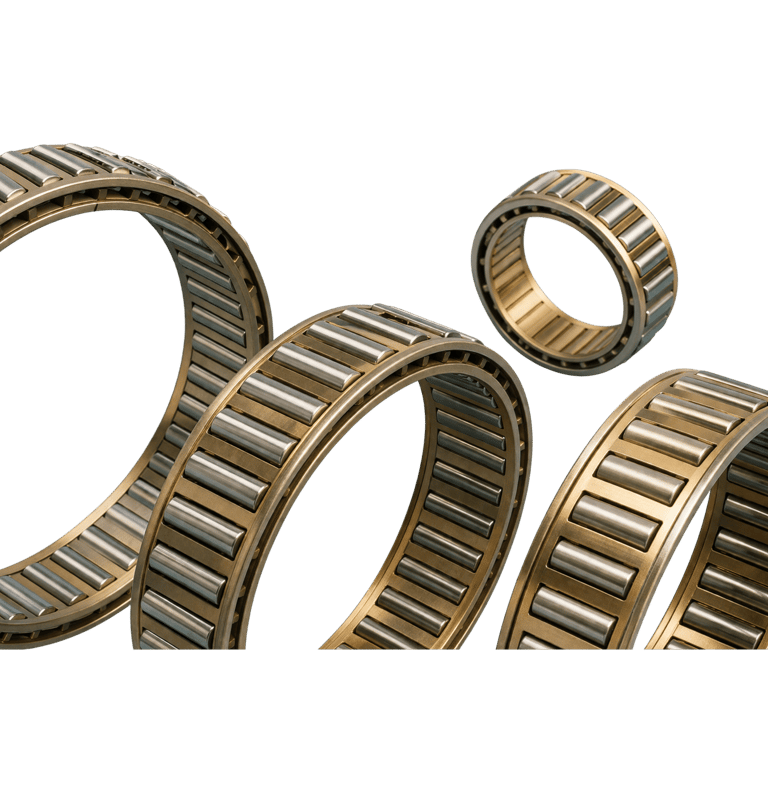
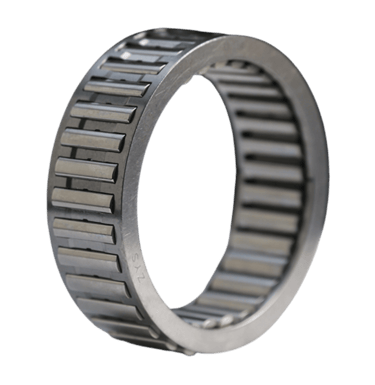
Used where high radial load capacity is required within a compact radial envelope, especially in transmissions, planetary systems, and space-constrained mechanical assemblies.
Applied in assemblies where torque must be transmitted in one direction while allowing overrunning, indexing, or backstop function in the opposite direction.
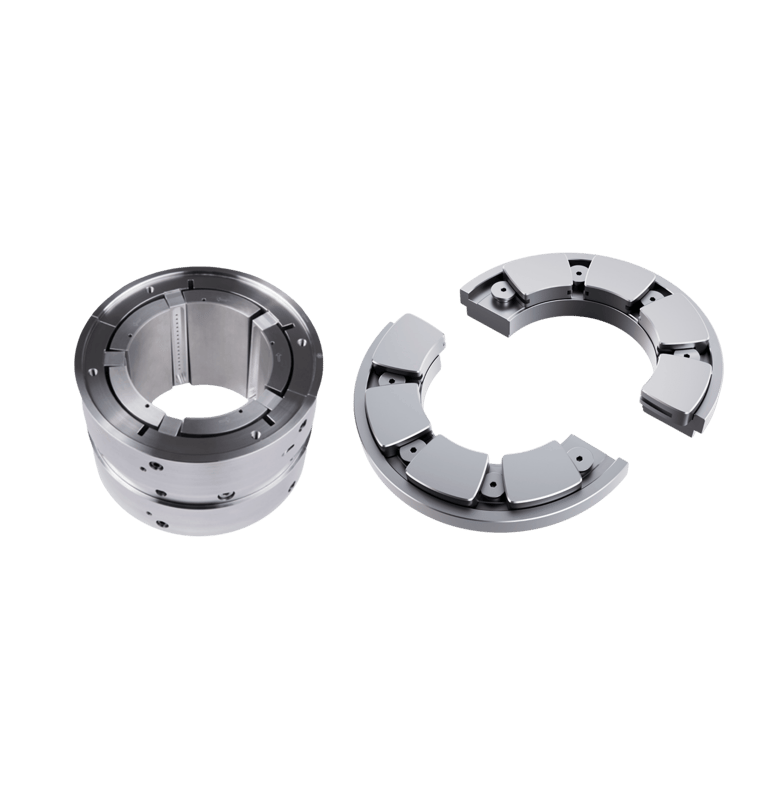
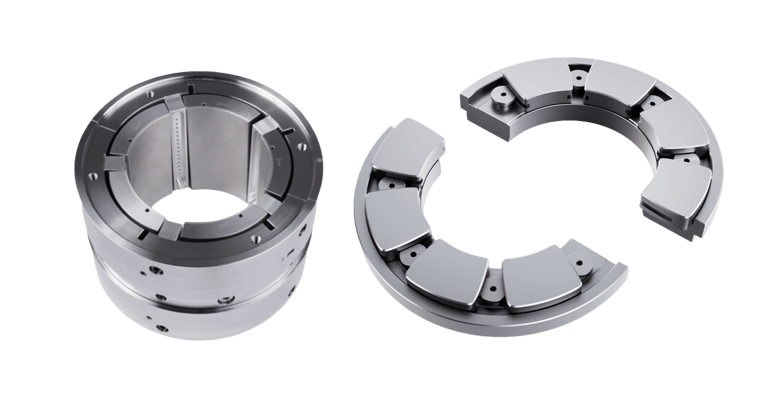
Used in specialized rotating machinery where load is supported by a fluid film rather than rolling elements, typically in larger or continuously loaded systems.
Designed for rolling equipment where very high load, shock, and severe operating conditions require strong structural support and stable rotational performance.
Used in rail applications where load capacity, running stability, and operational reliability are required across wheelset, traction, and support systems.
Applied in vehicle systems where compact bearing arrangements support wheel, transmission, engine, and auxiliary rotating functions.
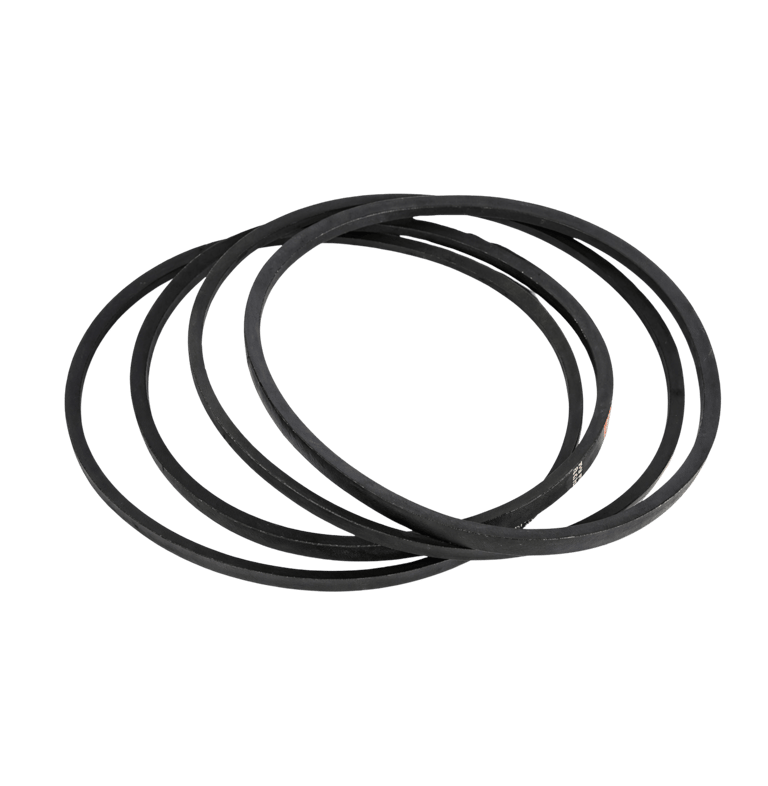
Belts transmit mechanical power between rotating components where torque transfer, speed ratio stability, alignment condition, and service load directly influence operating reliability. In heavy equipment and industrial applications, belt selection depends on power requirement, pulley geometry, installation space, tensioning method, temperature exposure, contamination level, and the dynamic loading present in service.

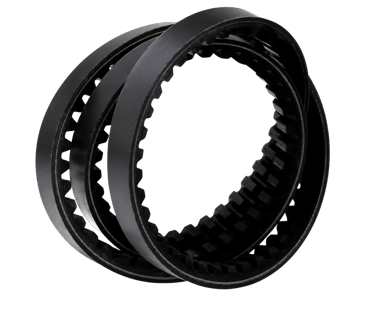
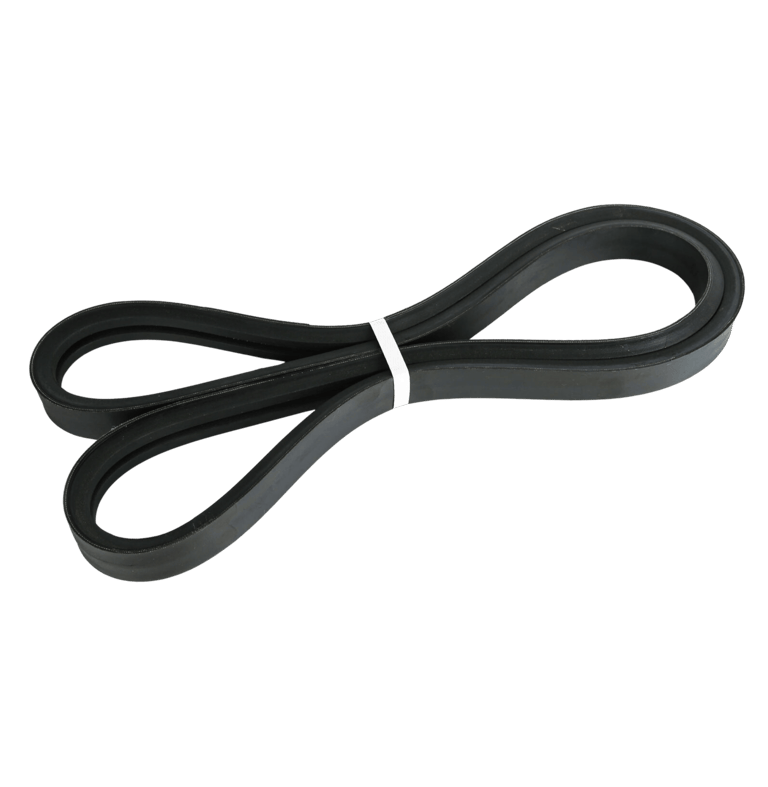
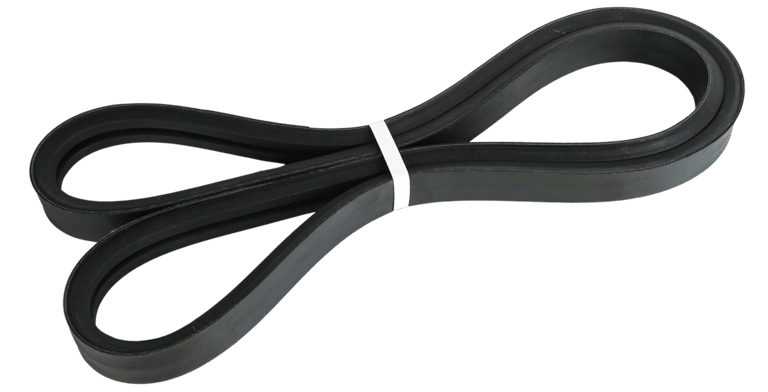
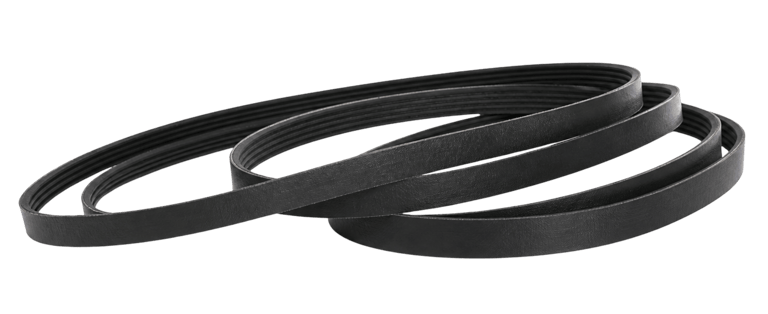
Used in general industrial and equipment drives where dependable power transmission, stable belt seating, and reliable operation under standard service conditions are required.
Applied where improved flexibility, better heat dissipation, and stable power transmission are needed in compact or higher-duty drive systems.
Designed for drives exposed to shock load, pulsation, or vibration, where multiple ribs must run as one stable belt set with improved tracking.
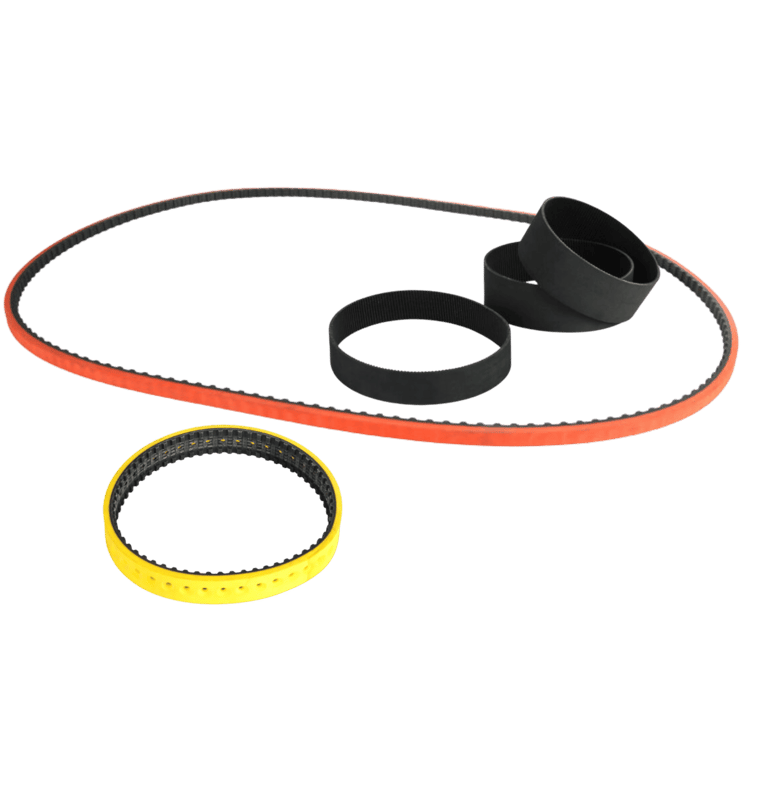
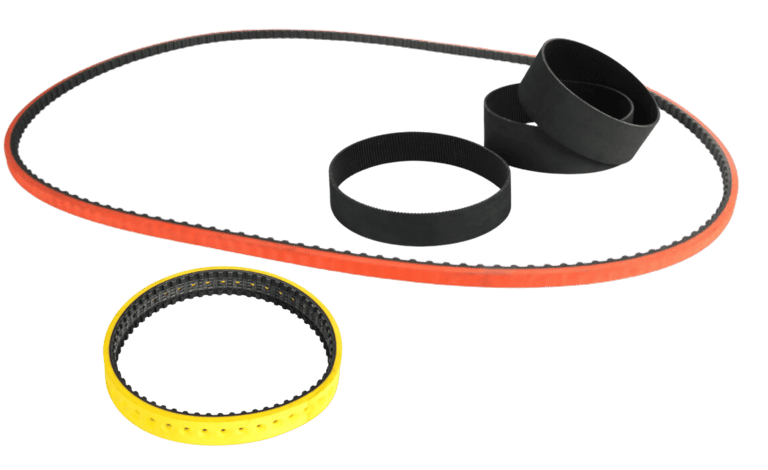
Used in synchronous drive systems where accurate speed ratio, controlled timing, and slip-free power transmission are critical to system function.
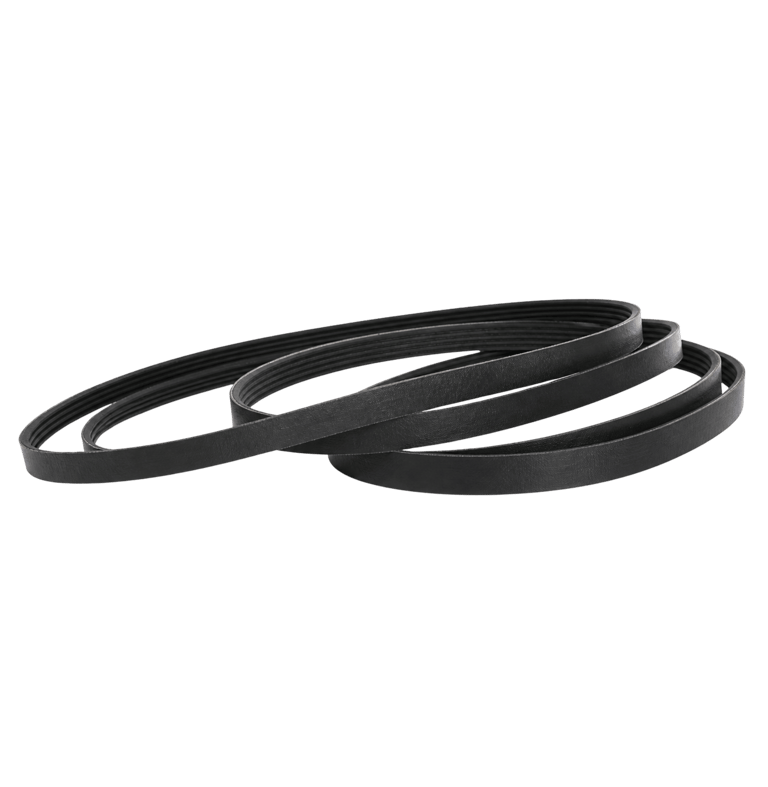
Applied in compact, high-speed, or serpentine drive layouts where smooth running, higher belt contact area, and efficient power transmission are required.
TIER
Standard
Advanced
High Performance
PERFORMANCE TIERS
DESCRIPTION
Reliable belt construction for general industrial and equipment applications.
Reinforced construction for higher tensile strength and demanding operating conditions.
Premium belt construction for high-strength, heat-resistant, and severe-duty applications.
Construction
Polyester cord + Natural Rubber (NR)
Steel cord + Natural Rubber (NR)
Kevlar cord + Chloroprene Rubber (CR)
Motion components operate at the interface of load, rotation, alignment, sealing, and mechanical continuity across heavy equipment and industrial systems. Their in-service performance is defined by load carrying capability, friction behavior, rotational stability, sealing effectiveness, and the ability to maintain dependable operation under vibration, contamination, misalignment, and sustained mechanical stress.
In demanding applications, reliability is not determined by one component alone. It depends on how bearings, belts, seals, and related rotating elements perform within the assembly as a whole. Deficiencies in load support, alignment control, lubrication retention, sealing performance, or power transmission can affect running accuracy, component life, system efficiency, and the operating stability of connected equipment
For that reason, motion components must be selected with close attention to operating load, rotational speed, interface geometry, sealing condition, lubrication requirement, environmental exposure, and duty profile. Correctly specified components help maintain mechanical continuity, reduce service-related failures, and support stable rotating performance across demanding service conditions.
At Steinwerk, motion components are approached with close attention to the technical factors that influence in-service behavior, including load support, interface stability, sealing integrity, and category-appropriate verification for harsh-duty operating environments.
Mining · Construction · Manufacturing · Agriculture · Transport · Marine · Energy · Oil & Gas
Send us your requirements and we will review the right product category for your equipment, operating environment, and service conditions.
Contact
Info@steinwerkindustrial.com
86-90 Paul Street, London, England, EC2A 4NE
Heavy Equipment Components & Systems
Steinwerk Industrial (STK) is a UK company operating under the registered entity STEINWERK INDUSTRIAL LTD. Company number: 17053303